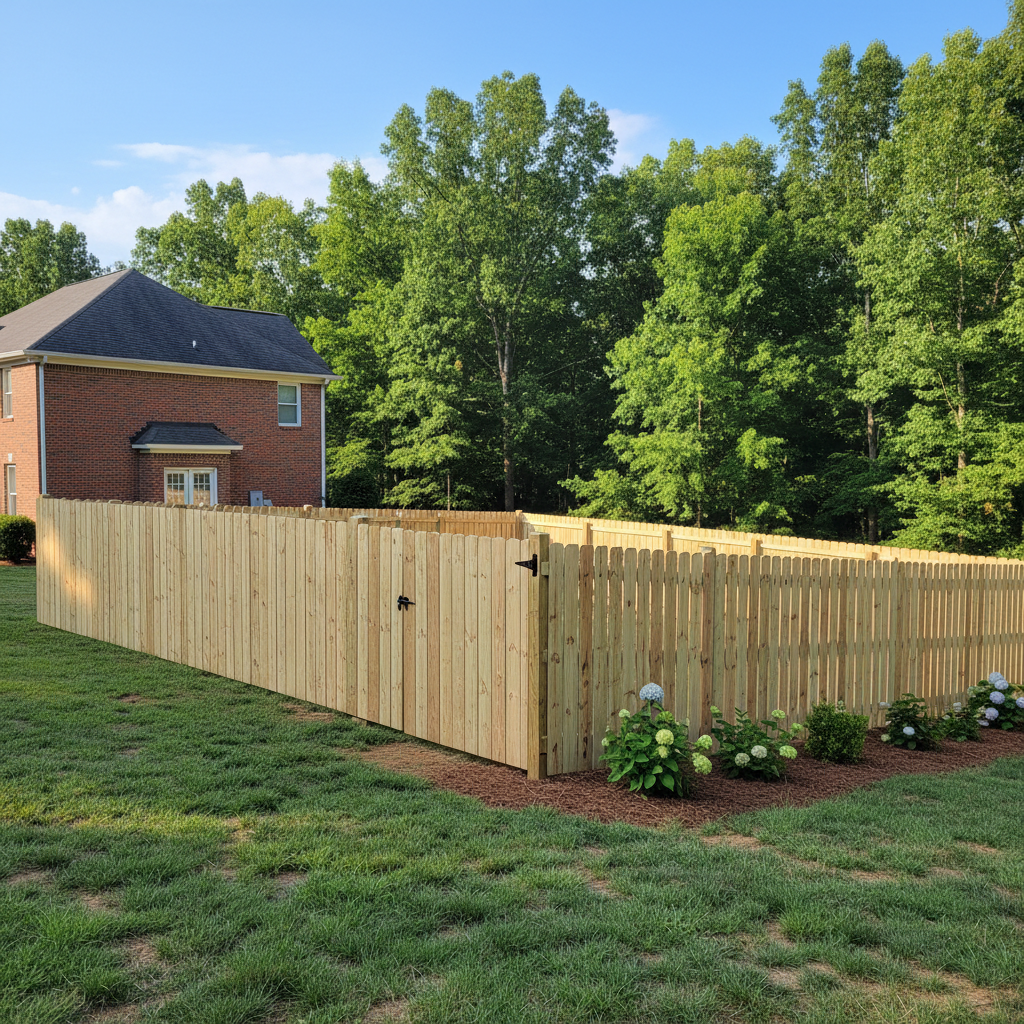
So, you're thinking about a wood fence? That's a solid choice, really. It's fantastic for privacy and definitely boosts your home's curb appeal. But here in Rockford, TN, just like pretty much everywhere else, the weather plays a huge role. It affects when you should get that fence put in and how you keep it looking good for years. It's more than just hammering boards together; you've got to do it right if you want it to last.
When's the Best Time for a Wood Fence Install?
Honestly, we can put up a fence almost any time of year. But some seasons are definitely better than others, especially for wood. My crew and I at Rockford Fencing Solutions have seen it all, from scorching summers to icy winters. Believe me, we know.
Spring and Fall are your best bets. Why? Moderate temperatures, for one. The ground isn't frozen solid, and it's not so hot that wood is expanding and contracting like crazy while we're trying to get everything perfectly straight. Spring, right after that last hard freeze, is fantastic. The ground is easy to work with, and the new wood has plenty of time to settle in before the intense summer sun really beats down. Fall, after the heat breaks but before the ground freezes solid, is also ideal. You get stable temperatures, which means less stress on the wood during installation and curing. It's just easier on the material.
Summer's doable, but it's a grind. Those humid, 90-degree days we get around places like the Maryville Pike area? They're brutal on the crew. And they can make wood move a lot. We have to be extra careful with expansion and contraction, making sure everything lines up just right. Plus, if it's too dry, the soil can turn into concrete, which makes digging post-holes a real chore. If it's too wet from summer thunderstorms, then we're dealing with mud, and that just slows everything down.
Winter? We can certainly do it, but there are some big "ifs." If the ground isn't frozen solid, we can get posts in. No problem there. But if we hit a cold snap where the ground turns to concrete, we're going to face delays. Plus, working with wood in freezing temperatures isn't exactly ideal for the material itself. It's not impossible, but it's usually not my first recommendation unless you've got a really specific deadline you need to hit.
Weather Conditions That Affect the Job
Beyond just the season, specific weather conditions can really impact a wood fence installation. It's not always about the calendar.
- Rain: A little drizzle? We can usually work through that. A downpour? Nope. We can't safely run power tools, and digging in a muddy trench is just a mess — it can also mess up the post-setting process. On top of that, wet wood is heavier and harder to work with.
- Wind: High winds are a definite no-go, especially when we're setting tall posts or trying to get panels perfectly level. It's a safety hazard for my crew, first and foremost, and it can lead to crooked fence lines. Nobody wants that.
- Extreme Heat/Cold: As I mentioned, these temperatures really affect the wood itself. Extreme heat can cause rapid drying and warping, while extreme cold makes wood brittle and harder to cut cleanly. It also makes working conditions miserable and less safe for the crew.
We always keep a close eye on the forecast. If we need to reschedule because of weather, it's not because we don't want to work; it's because we want to do the job right and keep everyone safe.
Protecting Your Wood Fence Year-Round
Alright, so you've got your beautiful new wood fence up. Now, how do you make sure it stays that way for years? It's not a set-it-and-forget-it deal, especially with our Tennessee humidity and those wild temperature swings.
Stain and Seal It
This is probably the most important thing you can do. Once your new fence has had a few weeks to dry out and get used to the local climate (usually 2-4 weeks after installation, depending on the wood type and weather), get it stained and sealed. This protects the wood from:
- UV Damage: The sun will bleach and break down the wood fibers over time.
- Moisture: Rain, dew, and humidity can lead to rot, mildew, and warping.
- Insects: A good sealant can deter pests from making themselves at home.
You'll want to reapply every few years, depending on the product you use and how much sun your fence gets. Don't cheap out on the stain; a quality product will absolutely pay for itself in longevity.
Keep It Clean
Don't let dirt, mildew, or moss build up on your fence. A simple wash with a soft brush and a mild detergent (or a specialized fence cleaner) can do wonders. Just be careful with pressure washers; too much pressure can actually damage the wood fibers.
Trim Back Vegetation
Keep bushes, trees, and vines from growing directly on or against your fence. They trap moisture, which is a recipe for rot and mildew, and who needs that? Good air circulation is key for wood fences.
Check for Damage Regularly
Just walk the fence line a few times a year. Look for loose boards, damaged posts, or any signs of rot or insect activity. Catching small problems early can save you from big, expensive repairs down the road. If you see a loose nail or screw, fix it. If a board is starting to splinter, deal with it.
Investing in a wood fence is a big decision, and it adds a ton of value and beauty to your property. By understanding the best times for installation and taking a little time for maintenance, you'll enjoy that fence for a long, long time. If you've got questions or need a hand with a new install or repair, you know who to call.