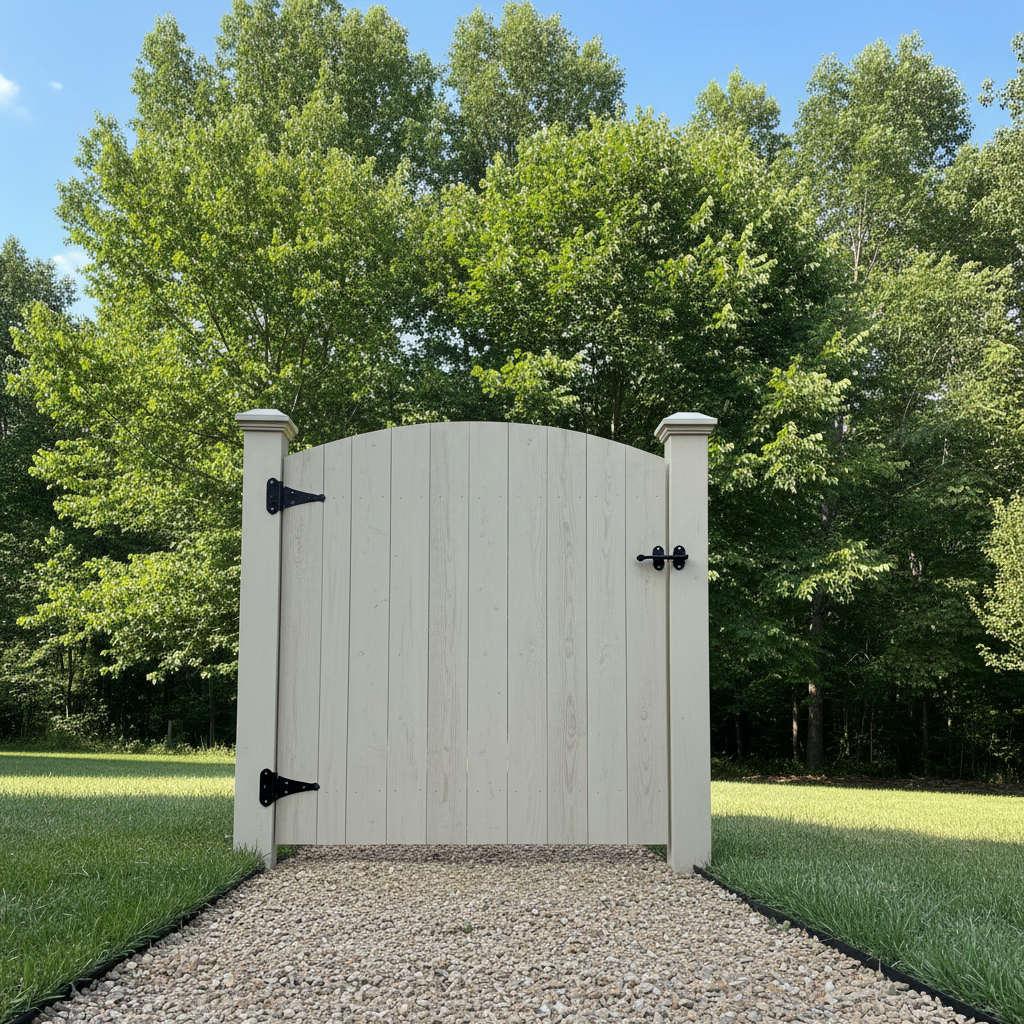
So, you've just had a new gate put in, or maybe yours has been around for a while, and you're wondering how to keep it looking good and working right. It's not just about appearances, you know. A gate that's taken care of is a secure gate, and honestly, it'll save you a lot of grief and money down the road. Here in Rockford, our weather can really beat up outdoor structures, so paying attention to your gate is super important.
Make Your Gate Last Longer: What You Can Do Now
Think of your gate kind of like your car; regular check-ups make a huge difference. The simplest, biggest thing you can do to extend its life? Keep it clean and make sure it moves freely. If you have a wood gate, especially with our humid summers and those occasional heavy rains, you'll want to seal or stain it every few years. That protects it from moisture, rot, and the sun's harsh rays. For iron or aluminum gates, a good wash-down with soap and water a couple of times a year will stop dirt from building up and help you spot any problems early on.
Lubrication is absolutely essential for any moving parts. Hinges, rollers, and latches need to be greased or oiled regularly. I'm talking every six months, maybe more often if it's a gate that gets a lot of use. A silicone-based spray or white lithium grease works wonders, believe me. And don't forget the gate opener chain or belt if you've got an automatic system. That's a whole different animal, but the basic idea is the same: keep it clean and lubricated according to what the manufacturer says. A lot of folks in older neighborhoods like Riverdale have these beautiful, heavy gates, and if you don't keep those hinges lubed, they'll start to sag and drag before you know it.
What 'Regular Maintenance' Really Means
Okay, so what does "regular" actually look like? I tell my clients it's a quick visual check once a month, and then a more thorough inspection twice a year. Here's what you should be looking for:
- Check the hardware: Are all the screws snug? Any bolts wiggling loose? Are the hinges sagging at all? Sometimes, just a quick tightening is all it takes to stop bigger issues from popping up.
- Clean away debris: Leaves, dirt, spiderwebs, even small branches can get stuck in the gate's path or around the hinges. Keep that area clear.
- Inspect the finish: If it's wood, look for peeling paint, splinters, or any signs of rot. For metal, check for rust spots, especially at welds or where the paint might have chipped. A little touch-up paint or rust-inhibiting primer can stop corrosion dead in its tracks.
- Test how it moves: Does the gate swing freely? Does it close and latch like it should? If it's dragging, that could point to a hinge problem, a post settling, or just some gunk in the way.
- Automatic gate specifics: If you have an opener, test its safety features. Make sure the photo eyes are clean and actually working. The gate should reverse if something breaks the beam. If it doesn't, that's a serious safety risk and needs attention right away.
Signs That Something's Not Right
Your gate usually tells you when it's unhappy. You just have to pay attention. Here are some red flags:
- Squeaking or grinding noises: This almost always means it needs some lubrication or there's too much friction somewhere. Don't ignore it; it'll only get worse.
- Gate dragging or sticking: If it's scraping the ground or catching on the post, something's out of alignment. That could be a loose hinge, a bent frame, or a post that's settled.
- Rust or rot spreading: A small rust spot can turn into a big hole. A little bit of rot can compromise the whole structure. Deal with these fast.
- Cracks in posts or concrete: Especially after our winter freeze-thaw cycles, you might see cracks. This can mean movement or instability, which will definitely affect how the gate works.
- Automatic gate issues: If it's opening slowly, stopping unexpectedly, or the remote isn't working consistently, you've got an electrical or mechanical problem on your hands.
When to Call a Pro
Look, I'm all for doing things yourself, but some jobs are definitely better left to the experts. You should absolutely give us a call at Rockford Fencing Solutions if:
- The gate is really out of alignment: If you can't fix it with a simple hinge adjustment or tightening, the posts might have shifted, or the gate frame itself could be bent. That takes specialized tools and real know-how.
- You see extensive rust or rot: If a big section of your gate or a post is compromised, it might need welding, significant wood replacement, or even a whole new post. That's way beyond a quick fix.
- The automatic opener isn't working correctly, especially safety features: This isn't just an annoyance; it's a safety hazard. Please don't mess with electrical components unless you're qualified.
- There's structural damage: A cracked concrete post, a bent metal frame that won't easily straighten, or a gate that's been hit by a car. These require a professional assessment and repair to make sure everything's safe and lasts a long time.
- You just don't have the time or the right tools: Sometimes, it's simply worth it to have someone who does this every single day come out and take care of it. We've got the experience to figure out problems quickly and fix them the right way.
Taking care of your gate isn't rocket science, but it does need a little attention. A well-maintained gate not only looks better but also works reliably, giving you peace of mind and protecting your property for years to come.