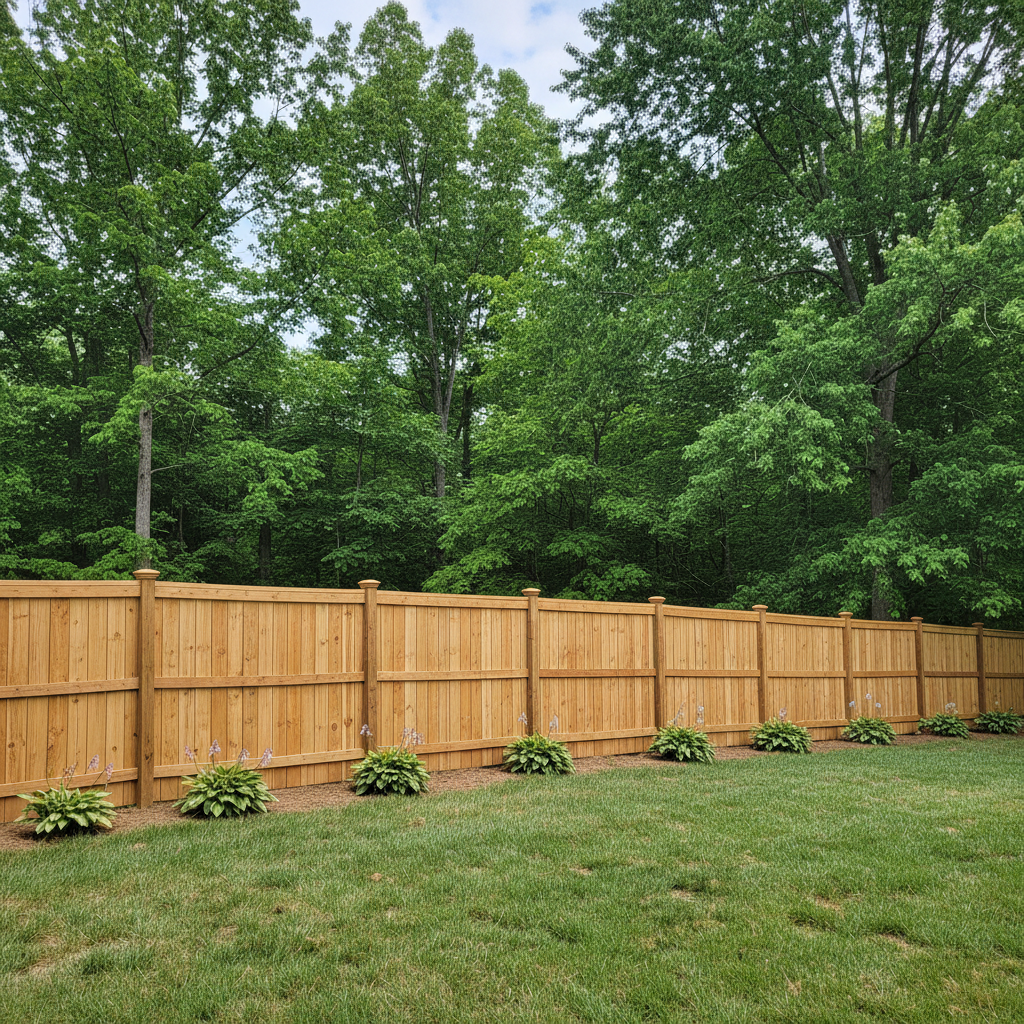
Alright, so you're thinking about putting up a new fence or maybe fixing an old one around your place here in Rockford. That's a smart move, whether it's for privacy, security, or just making your yard look good. But picking the right contractor? That can feel like a real minefield if you don't know what you're doing. I've been in this business a long time, and believe me, I've seen it all. Here's what you need to know to make sure you hire someone good, not a headache.
What to Ask Potential Fence Contractors
Once you've got a few names, don't just go with the first one who answers the phone. You've got to ask some tough questions. This isn't about being difficult; it's about protecting your investment, right?
Are you licensed and insured? This is non-negotiable. If they say no, or hem and haw, hang up. A legitimate contractor will carry general liability insurance and often workers' compensation. If something goes wrong on your property, you definitely don't want to be on the hook for damages or injuries.
How long have you been in business? Experience really matters. Someone who's been around for a while likely knows the local codes, understands the soil conditions we deal with here in Rockford (especially that rocky clay some of us have!), and knows how to handle different fence types.
Can you provide references? A good contractor won't hesitate to give you a few names of past clients. Call them! Ask if the job finished on time, if the crew was professional, and if they'd hire them again.
What's your warranty on labor and materials? Most reputable companies will offer some kind of warranty. Make sure you understand what it covers and for how long. Materials usually come with their own manufacturer's warranty, but the labor warranty is on the contractor.
Who will be doing the actual work? Will it be their own employees, or are they sub-contracting it out? There's nothing inherently wrong with subs, but you want to know who's responsible if an issue pops up.
How do you handle unforeseen issues? Sometimes you hit a rock, or a utility line isn't where it's supposed to be. Things happen. You'll want to know their process for communicating these issues and how they'll affect the timeline or cost.
Decoding the Quote: What to Look For
You'll get a few quotes, and they might look totally different. Don't just compare the bottom line. You need to dig into the details.
Itemized breakdown: A good quote will break down costs for materials (type, quantity), labor, and any other fees like permit applications or debris removal. If it's just one big number, that's a red flag.
Material specifications: Does it specify the gauge of the chain link, the grade of the wood, or the thickness of the vinyl posts? Cheaper materials might mean a lower upfront cost, but they just won't last as long, especially with our Tennessee weather.
Payment schedule: A reasonable payment schedule usually involves a deposit (often 10-30%), progress payments, and a final payment upon completion and your satisfaction. Be wary of anyone asking for 50% or more upfront, or full payment before work even starts.
Start and completion dates: It might be an estimate, but they should give you a rough idea of when they can start and how long it'll take. Delays happen, sure, but clear communication is key.
Permits: Who's responsible for pulling any necessary permits from the county or city? Usually, it's the contractor's job, and the cost should be included or clearly listed.
Red Flags You Can't Ignore
I've seen folks get burned by these. Don't be one of them.
High-pressure sales tactics: